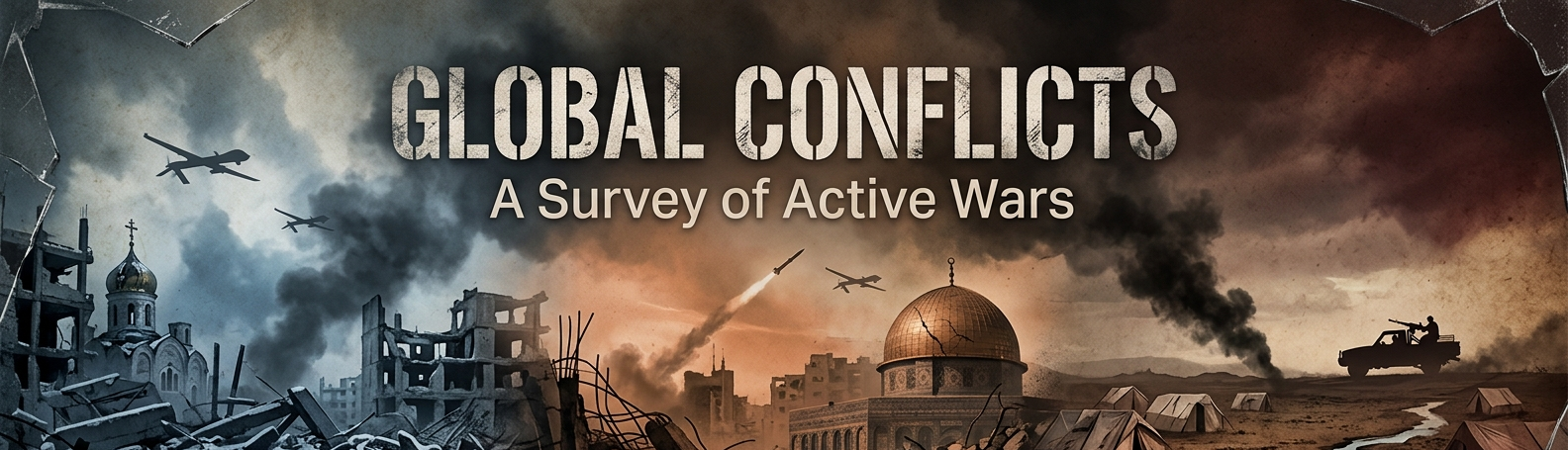
The October 2025 Gaza truce, often referred to as the Trump 20-Point Plan, was a watershed moment that briefly halted the most intense fighting but also deeply solidified the conflicting world views you mentioned.
Instead of resolving the core tensions, the truce acted like a “stress test” for international relations, revealing exactly where different global powers stood on U.S. involvement in the Middle East.
1. The “Strategic” View: America as the “Indispensable Broker”
Initially, the truce was seen by the U.S. and its immediate allies as a massive diplomatic victory. The logic was that only the U.S. had the “muscle” to bring both Israel and Hamas to the table.
- The Impact: This view was reinforced when the U.S. successfully mediated the release of the remaining 20 living hostages. For those who prioritize Deterrence, the truce proved that U.S. military backing of Israel could be “cashed in” for diplomatic concessions.
- The Pivot: By January 2026, this view shifted. Proponents argued that since the truce didn’t lead to total stability, the U.S. had to escalate against Iran (the February 2026 strikes) to “finish the job” that the Gaza truce started.
2. The “Legalistic” View: Alarm Over “External Governance”
The truce introduced the Board of Peace, a governance body chaired by U.S. leadership and including international figures like Tony Blair.
- The Impact: This horrified the UN and many EU legal scholars. They viewed it as a “denial of agency” for Palestinians. World views in the “Legalistic” camp shifted from supporting a ceasefire to criticizing the U.S. for creating what they called a “Technocratic Occupation.”
- The Friction: The fact that the truce allowed Israel to maintain a “Yellow Line” (a militarized zone covering 53% of Gaza) was seen by legalists as a violation of international law regarding territorial integrity, creating a lasting rift between Washington and Brussels.
3. The “Humanitarian” View: From Hope to “The Illusion of Peace”
For the Global South and international aid organizations, the October truce was a moment of profound disillusionment.
- The Reality Check: While the bombs stopped falling as frequently, the “siege” didn’t truly end. Aid was funneled through the Gaza Humanitarian Foundation (GHF)—a private, U.S.-backed contractor system—which many NGOs claimed was inefficient and politically filtered.
- The Shift: This led to a world view that the U.S. wasn’t “solving” the conflict but was “managing” it to the detriment of civilian life. By the time the February escalation began, the Humanitarian camp had already labeled the truce a “failure of conscience,” as over 600 Palestinians were killed in “skirmishes” during the supposed ceasefire.
4. The “Regional” View: Sovereignty vs. Security
Middle Eastern neighbors (Egypt, Jordan, and Saudi Arabia) were initially supportive because the truce stopped the immediate threat of a refugee surge.
- The Tension: However, as the U.S. began using the Gaza truce as a platform to coordinate the “Board of Peace,” regional leaders felt sidelined. They began to view U.S. involvement as a “top-down” imposition that ignored local political realities.
- The Result: This pushed regional powers to look for “non-U.S. alternatives” for security, essentially ending the era where they relied solely on Washington to handle regional escalations.
Comparison of Global Sentiment (Late 2025 vs. Early 2026)
| Region/Block | Sentiment during Oct 2025 Truce | Sentiment after Feb 2026 Escalation |
| U.S. / Israel | “Diplomatic Masterstroke” | “Necessary Force against Iran” |
| UN / EU | “Fragile Hope / Legal Concerns” | “Condemnation of Unilateralism” |
| Global South | “Double Standard / Aid Issues” | “Confirmation of U.S. Hegemony” |
| Arab Neighbors | “Cautious Relief” | “High Anxiety / Loss of Sovereignty” |
The truce didn’t change these world views; it calcified them. By the time the U.S. and Israel struck Iranian targets in February, the “Diplomats” were already exhausted, and the “Strategists” felt they had no choice but to move from a stalled truce to an active war.